 SignageTube
Screens With ROI: How Digital Signage Delivers Real Business Value
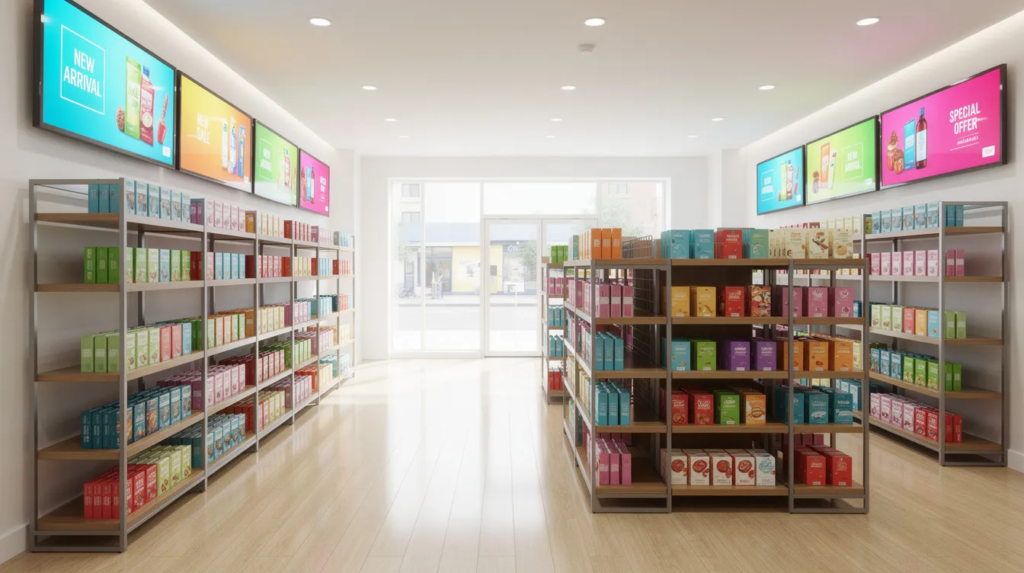
Screens with ROI are not just an expense—they’re a source of measurable return on investment. This guide is for business owners, marketers, and operations managers seeking to understand and maximize the ROI of digital signage across various industries. Understanding how to achieve ROI with digital screens is crucial for making informed investment decisions and driving measurable business outcomes.
We cover the full scope of digital signage ROI, including financial, operational, and experiential benefits. When deployed with clear objectives and the right platform, digital signage can lift sales by 10–30%, reduce perceived wait times by up to 35%, and cut print costs by more than 50% for multi-site businesses.
To maximize the value of your investment, it’s essential to calculate ROI for your digital signage projects. Understanding both the costs—including hardware, software, and operational costs—and the benefits allows you to make informed decisions and clearly measure the financial impact of your screens.
Screens with ROI are digital displays installed with specific business goals: more sales, faster communication, safer operations, or higher employee engagement. SignageTube provides the cloud-based software needed to turn simple displays into ROI-generating channels across retail, restaurants, offices, schools, and hotels, building on the core principles of what digital signage is and how it works.
Digital Signage ROI at a Glance
Fact-Based Benefits of Digital Signage ROI
Digital signage can increase sales by an average of 31.8%.
Brand awareness can increase by nearly 48% through dynamic displays.
Digital signage can reduce perceived wait times by up to 35%.
LED displays provide better brightness for outdoors and typically have stronger long-term ROI.
Digital signage solutions enable centralized content management, reducing labor hours and improving operational efficiency.
Businesses that measure ROI often report increased sales and higher customer retention.
Key ROI Angles to Explore
- Financial returns: increased sales, upselling, loyalty signups
- Cost reduction: print elimination, labor savings, error prevention, and lower operational costs such as energy and maintenance
- Operational gains: faster decisions, staff motivation, safety improvements
- Customer experience: shorter perceived waits, enhanced engagement, brand visibility
What “Screens With ROI” Really Means
A screen with ROI is any digital display installed with measurable outcomes in mind—not just “nice-to-have” décor. The difference lies in setting objectives upfront and tracking results through data. Businesses can measure ROI by analyzing key metrics and outcomes from their digital signage programs, such as sales uplift, engagement rates, or operational efficiencies.
ROI breaks down into three pillars:
- Revenue generation: upsell prompts, cross-sell offers, loyalty enrollments
- Cost reduction: print savings, labor efficiency, error correction
- Productivity and experience: staff alignment, faster communication, customer satisfaction
Real-world examples:
- A retail chain adding end-cap screens in 2024 and tracking sales uplift on promoted items
- A QSR rolling out menu boards in 2025 with daypart scheduling for breakfast-to-dinner offers
- An office deploying internal comms screens in 2023 to replace email overload with visual dashboards
ROI includes both hard metrics (euro savings, direct benefits from sales) and soft benefits (brand perception, employee engagement, guest experience). Both feed long term value.
How Digital Screens Drive Revenue ROI
In 2026, digital screens are proven revenue drivers. Retailers report 15–25% uplift on promoted items, while restaurants see increased basket sizes through strategic upselling. Screens placed at decision points capture attention when customers are ready to buy.
Revenue tactics enabled by digital channels include, especially when you understand the role of advertising screens in the digital signage industry:
- Promotional loops near high-margin products
- Time-of-day offers (happy hour, lunch specials) powered by expert digital signage scheduling best practices
- Dynamic bundles and personalized content based on weather or season
SignageTube playlists and scheduling let you deploy these tactics without IT help—update promotions across stores in minutes.
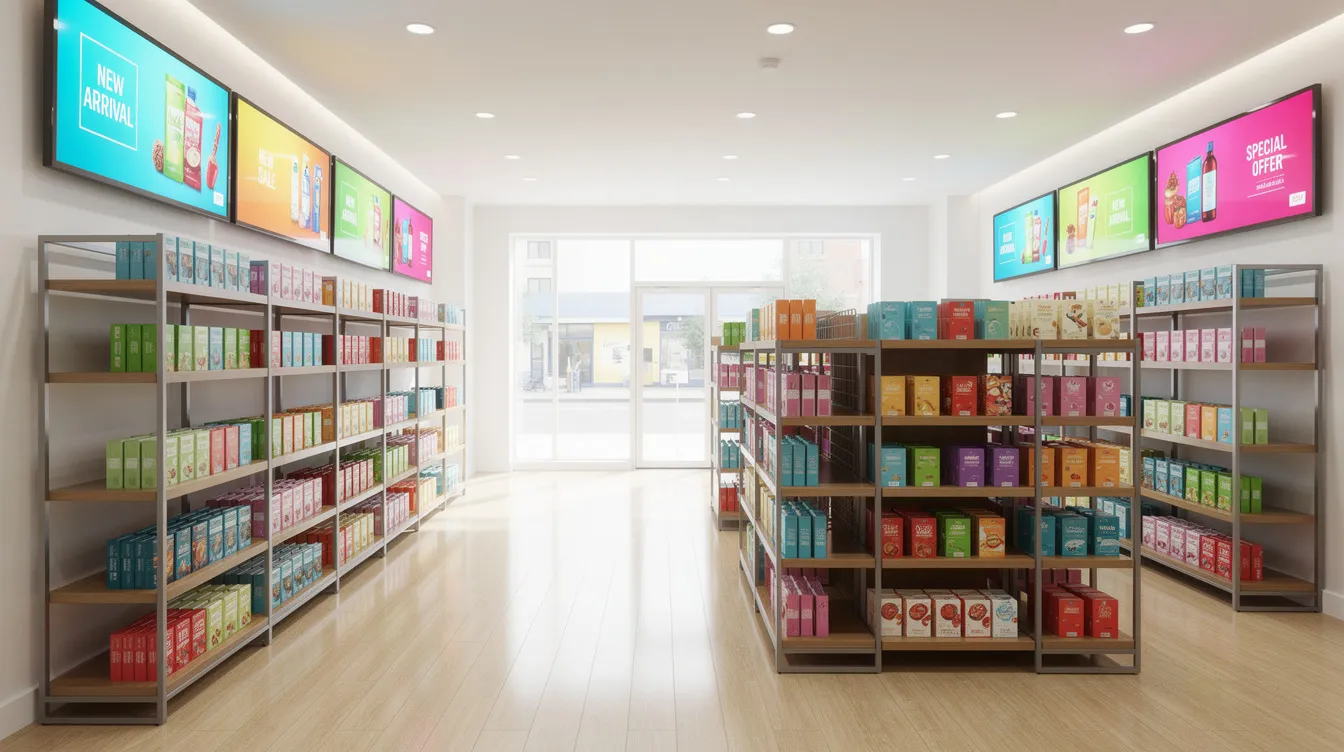
Sales Uplift And Cross-Selling In Retail
Aisle and shelf-edge screens increase basket size by showcasing complementary products at the moment of decision. Visual merchandising psychology—motion, contrast, contextual visuals—accelerates purchase decisions.
Example: A 10-store grocery chain added screens in fresh produce sections in 2024. Over three months, advertised SKUs saw a 12% sales uplift compared to control stores.
Retail digital signage ROI comes from:
- “Complete the meal” bundles (pasta + sauce + wine)
- Good/better/best product comparisons
- Seasonal promotions triggered by inventory data
Menu Boards And Upsell In Restaurants
Digital menu boards boost average ticket size by promoting add-ons and combos at ordering moments. A fast-casual chain in 2025 pushed meal deals at lunch and increased combo sales by approximately 18%.
Key revenue tactics for restaurants:
- Daypart scheduling: breakfast items in the morning, dinner specials after 17:00
- Weather-triggered offers: hot drinks on cold days via automation, following digital signage content scheduling tips and best practices
- Dynamic pricing during peak hours
Operational efficiency gains include faster ordering and zero reprint costs when prices change weekly.
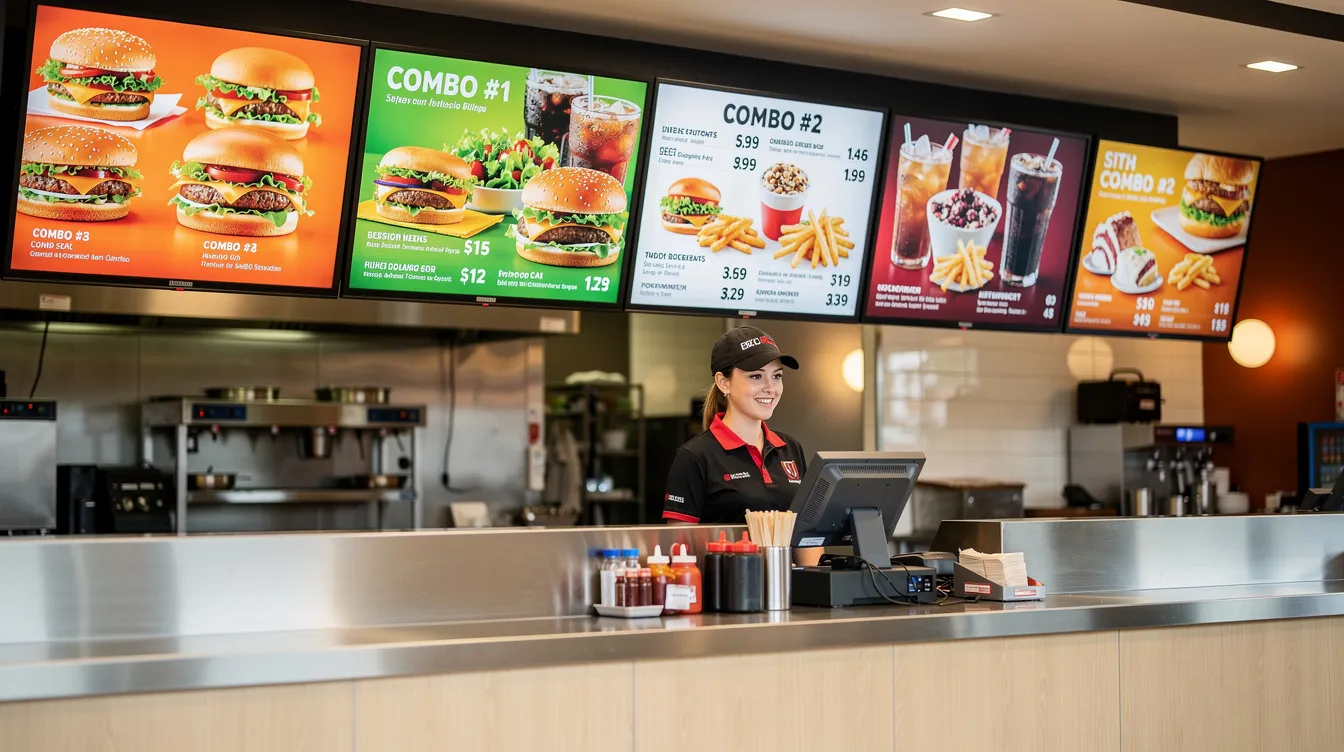
Loyalty, Repeat Visits, And Brand Moments
Screens at checkouts and waiting areas drive loyalty program enrollments and app signups. One retailer added sign-up prompts to queue screens and saw 20–30% more enrollments over six months by focusing on creating memorable advertising experiences with digital screens.
Brand-building content that creates emotional connection:
- Behind-the-scenes videos
- Staff spotlights and local community stories
- Social proof: customer reviews and impressions
While loyalty ROI is partly qualitative, it feeds long term revenue through higher visit frequency and customer lifetime value.
Operational And Cost-Saving ROI: Beyond Just Selling More
Screens with ROI also reduce costs and inefficiencies—often delivering payback before counting extra sales.
Cost levers include:
- Eliminating print production and logistics
- Reducing staff time spent updating signage
- Preventing errors from outdated pricing or information
Example: A 30-location retail chain in 2023 cut print costs by 60% in year one by switching posters to digital screens managed centrally via SignageTube.
Replacing Print: Hard Cost Savings
Typical annual print costs per site range from €1,500–€3,000 for posters, menus, and promotional flyers. Digital signage deployment recovers a large portion through:
- Zero shipping and distribution costs
- No manual poster replacement
- Instant remote updates across all locations
Total Cost of Ownership (TCO) includes hardware, installation, software, maintenance, and content creation costs.
3-Year TCO Comparison:
|
Cost Category |
Print Campaign |
Digital Signage |
|---|---|---|
|
Year 1 Setup |
€2,000 |
€3,500 |
|
Annual Updates |
€2,500/year |
€500/year |
|
3-Year Total |
€9,500 |
€4,500 |
|
Environmental benefits (less waste) support sustainability goals, though harder to quantify as direct savings. |
|
|
Operational Efficiency And Error Reduction
Centralized control reduces pricing and compliance errors across locations. In a franchised QSR network, 2024 allergen regulation updates took minutes via digital screens versus days for manual poster swaps.
Time saved calculation:
- 3 hours/month per site × €20/hour × 50 sites = €3,000/month in labor savings
Back-of-house screens display daily priorities, shift changes, and safety alerts—reducing questions and operating costs through automated data-driven digital signage.
Internal Communications, Safety, And Motivation
Screens in factories, warehouses, and offices reduce incidents and improve morale through timely, visual communication. US manufacturing injuries cost around $170 billion annually—even small safety improvements deliver significant value.
Effective internal content types:
- Safety reminders and training snippets
- Live KPIs and performance dashboards
- Recognition of high-performing teams
Example: A manufacturing plant deployed digital safety boards in 2023 and reported measurable drops in minor incidents over 12 months. Dual screens alone can boost productivity by 42% according to Jon Peddie Research.
Beyond cost savings, the content displayed on your screens plays a crucial role in driving results, which we explore next.
Creating Effective Content That Drives Results
To create effective digital signage, start with these foundational principles.
Personalization Strategies
- Focus on creating personalized content that speaks directly to customer interests and behaviors.
- Leverage customer data—such as purchase history, browsing patterns, or demographic insights—to tailor messages and promotions to specific segments.
- Highlight products that align with a shopper’s previous purchases or current trends to increase the likelihood of impulse buys and upselling.
- Personalized content not only enhances customer engagement but also extends dwell time, giving your brand more opportunities to capture attention and influence purchasing decisions.
Visual Appeal
- Ensure content is concise, visually striking, and easy to digest at a glance.
- Use bold imagery, clear calls-to-action, and dynamic layouts to make your message stand out in busy environments.
- Digital signage is a powerful tool for boosting brand visibility—whether you’re promoting new products, sharing event information, or educating customers about your services.
Performance Tracking
- Regularly analyze digital signage data and performance metrics.
- Leverage real-time data as a digital signage secret weapon to measure which messages resonate most.
- Refine your content strategy and continuously improve results by combining personalization, strong visuals, and data-driven optimization.
By following these principles, businesses can create digital signage content that not only informs but also drives sales and builds lasting customer relationships.
Transitioning from content creation, it’s equally important to keep your screens fresh and relevant through effective content management.
Content Management: Keeping Screens Fresh and Relevant
Keeping your digital signage content fresh and relevant is essential for maintaining customer engagement and maximizing return on investment.
Content Management Systems (CMS)
- A robust content management system (CMS) enables businesses to easily update, schedule, and deploy content across multiple screens and locations.
- With an effective CMS, such as a cloud-based digital signage platform, you can quickly adapt to changing business needs—whether it’s promoting a flash sale in retail stores, updating event schedules in educational institutions, or sharing real-time announcements.
Automated Scheduling and Remote Deployment
- Automated scheduling and remote deployment reduce manual effort, minimize downtime, and help lower operating costs, all while maintaining operational efficiency.
Performance Tracking
- By monitoring which content drives the most engagement or sales, businesses can refine their digital signage strategy for even better results.
- For example, a retail store might discover that certain promotions perform better at specific times of day, while a university can see which announcements generate the most student interest.
Ultimately, a well-managed digital signage system ensures your screens are always delivering relevant, high-quality content that supports your business goals. This not only improves customer experience but also drives measurable ROI by keeping your messaging aligned with audience needs and market trends.
Next, let’s look at the technical requirements needed to achieve high-ROI digital signage.
Technical Requirements for High-ROI Digital Signage
Achieving high-ROI digital signage starts with the right technical foundation.
- Select high-quality displays and reliable media players compatible with your chosen content management system.
- Ensure a stable, high-speed internet connection for seamless content updates, real-time monitoring, and remote troubleshooting.
- Invest in comprehensive software licensing to unlock advanced features like audience measurement, operational metrics, and detailed data analytics.
- Look for solutions that support integration with other business systems, enabling you to gather actionable insights and adjust your approach based on real performance data.
By prioritizing quality hardware, reliable connectivity, and powerful software like a cloud digital signage solution with centralized control, businesses can create a digital signage network that delivers increased sales, cost savings, and higher customer satisfaction—turning every screen into a strategic asset.
Proper installation and ongoing maintenance are also critical for ensuring uptime and performance, which we discuss next.
Installation and Maintenance: Ensuring Uptime and Performance
The success of your digital signage investment depends on proper installation and ongoing maintenance.
- Partner with experienced installers to ensure displays, media players, and network connections are set up correctly from the start.
- Establish a schedule for software updates, hardware inspections, and routine cleaning to prevent unexpected downtime and extend the lifespan of your equipment.
- Use remote monitoring and management tools to track system performance in real time and quickly address any issues—often before they impact customers.
By prioritizing installation quality and ongoing care, businesses can ensure their digital signage delivers consistent, high-quality experiences that drive long-term value and customer satisfaction.
Measuring the impact of your investment is the next step in maximizing ROI.
Measuring ROI: From Screen Activity To Business Impact
Measuring digital signage ROI helps determine the effectiveness of your investment. To measure ROI, organizations should track and analyze key metrics such as engagement, conversions, and operational efficiency, and calculate ROI using specific formulas to quantify the financial return on their digital signage investments.
ROI is calculated using the formula: Net Profit (Revenue – Costs) / Cost of Investment x 100%.
Core operational metrics to track (key performance indicators/KPIs should include engagement, conversion, and operational metrics):
- Sales uplift and basket size
- Conversion rate and dwell time
- Print cost savings and staff productivity
ROI Formula: ROI = (Total Benefits – Total Costs) / Total Costs × 100
Example calculation:
- Hardware, software licensing, and maintenance: $12,100 over three years
- Revenue uplift from screens: $15,000
- ROI: ($15,000 – $12,100) / $12,100 × 100 = 124%
Analytics help you understand which content works and when to switch it out, allowing for continuous improvement of digital signage effectiveness. Digital signage analytics support accountability by providing data that answers the question of what value was gained from the signage investment. Retail signage analytics can capture footfall data, showing how many people walk near the display and how long they engage with it, helping to understand placement effectiveness. Integrating signage analytics with other systems like POS and CRM can provide deeper insights into customer behavior and sales conversions. Reviewing data from the past month is crucial to optimize marketing strategies and demonstrate recent effectiveness.
SignageTube’s proof-of-play logging tracks what content runs where and when, supporting measurable results.
Setting Objectives And KPIs Before Installing Screens
Define objectives per sector before installation:
|
Industry |
Example KPI |
|---|---|
|
Café |
+10% dessert attachment rate |
|
University |
20% print cost reduction |
|
QSR |
Fewer wrong orders per shift |
|
Retail store |
15% uplift on promoted items |
|
Capture a 4–8 week baseline before installing screens to enable fair comparison. Coordinate across marketing, operations, IT, and finance to align on targets and tracking methods. |
|
Using Analytics, A/B Testing, And Integrations
Analytics turn playback logs into insight. Run simple A/B tests: display two promo versions across different stores and compare POS results.
A/B Test Example:
- Version A: “Buy 2, Get 1 Free” message
- Version B: “Save 33% on 3 Items” message
- 2-week trial across 10 stores: Version B drove 8% higher redemption
Integrate screen data with POS, CRM, and footfall counters to tie exposure to revenue through audience measurement. SignageTube’s scheduling export enables easy comparison with external systems.
With ROI measurement in place, it’s important to choose the right screen types and placements for maximum impact.
Types Of Screens And Where They Deliver The Best ROI
ROI depends on screen type, size, and placement in the customer or employee journey. SignageTube supports Android and Windows media players plus smart TVs, allowing flexible hardware choices by budget and environment.
LCD displays are suitable for indoor, close-up viewing, while LED displays provide better brightness for outdoors and typically have stronger long-term ROI.
Main Categories
- Entrance and window screens
- Shelf and aisle displays
- Menu boards and queue screens
- Back-office and production area screens
- Large-format LED walls for venues
High-Impact Screen Locations In Customer Areas
Entrance and window screens: Best for first impressions, brand moments, and seasonal campaigns (e.g., Black Friday 2026 offers). Engage customers before they enter.
Aisle and shelf screens: Tactical promotions and product education at decision points. Retailers see 10–15% uplift on featured items.
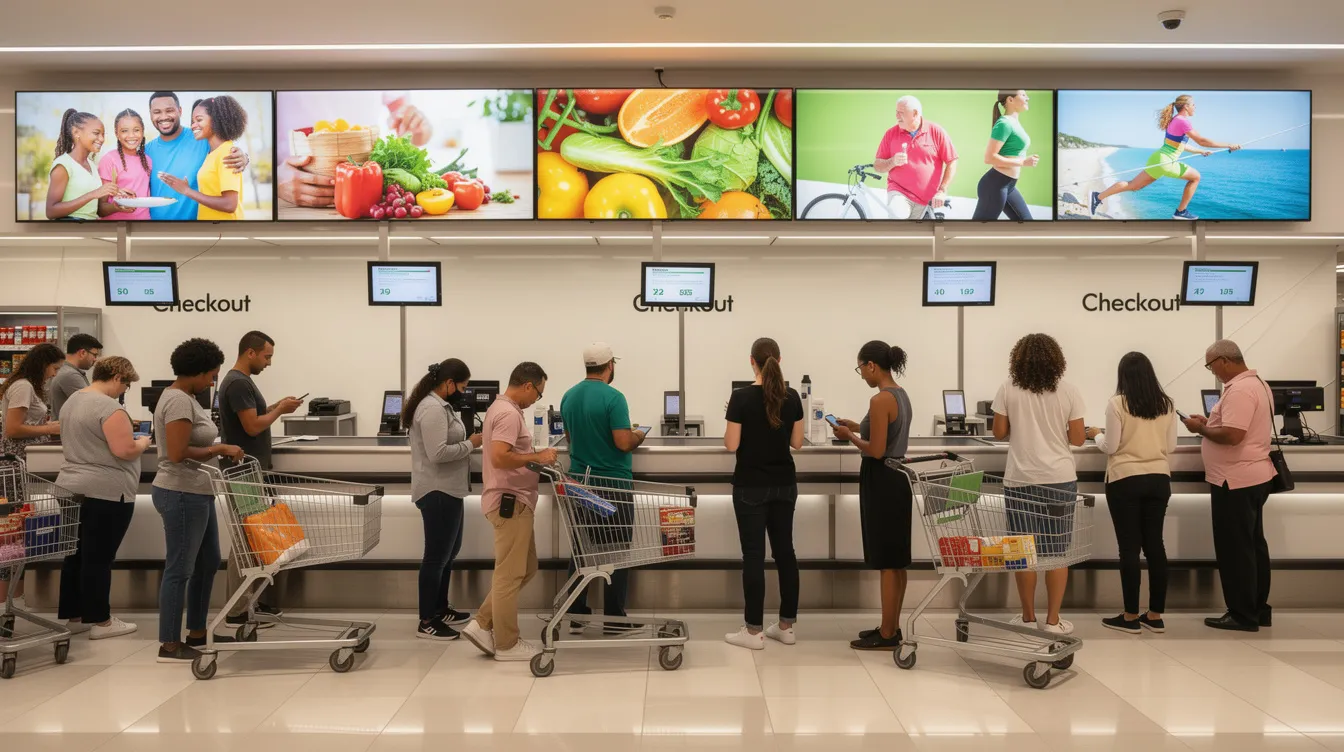
Checkout and queue screens: Ideal for loyalty messages, impulse buys, and perceived wait management. Screens reduce perceived wait times by up to 35%, improving customer satisfaction.
Back-Of-House And Corporate Screens
Internal screens in offices and warehouses deliver ROI through alignment rather than direct sales.
Typical content:
- Performance dashboards
- Shift schedules and company news
- Training micro-lessons and recognition walls
A mid-sized company deploying internal signage in 2023 reported faster information dissemination and higher engagement scores in employee surveys. These screens often run on existing smart TVs, minimizing hardware investment while reducing email overload.
With the right screens in place, following best practices ensures you maximize your digital signage ROI.
Best Practices for Maximizing Digital Signage ROI
To unlock the full potential of digital signage ROI, businesses should follow a set of proven best practices:
- Set clear objectives and define measurable outcomes—whether your goal is increased sales, improved customer engagement, or greater operational efficiency.
- Align your content strategy with these business goals, ensuring every message is relevant and impactful for your target audience.
- Invest in analytics to track performance, identify trends, and make data-driven decisions that continuously refine your approach.
- Prioritize customer experience by designing intuitive, visually appealing content and ensuring your digital signage network is easy to navigate and interact with.
- Use digital signage to create immersive brand experiences that boost sales and loyalty.
- For educational institutions, enhance student engagement and streamline communication.
By focusing on measurable outcomes, operational efficiency, and long-term value, businesses can create a digital signage strategy that delivers sustained ROI and supports their broader business objectives.
Next, let’s see how to build a practical, scalable “Screens With ROI” strategy using SignageTube.
Building A “Screens With ROI” Strategy With SignageTube
SignageTube transforms any screen network into a measurable ROI engine through:
- PowerPoint-based design for easy content creation
- Playlist scheduling and multi-site control
- Proof-of-play logs for analytics and audience measurement
- Remote monitoring and instant updates
5-Step Roadmap:
- Start small with 5–10 screens
- Define clear objectives and KPIs
- Deploy pilot in 1–3 locations
- Measure results over 60–90 days
- Scale based on proven performance
Use SignageTube’s free trial to reduce initial risk before committing to full content production.
From Pilot To Scale: A Practical Rollout Plan
Phased approach:
- Month 1–2: Pilot in 3 key locations, establish baseline
- Month 3–6: Expand to additional sites based on data
- Month 6–12: Optimize content and scheduling using analytics
Example: A 20-store chain starts with 3 pilot sites in Q3 2026. After proving 15% sales uplift on promoted items, they reach network-wide deployment by mid-2027.
Address content ownership early:
- Who designs?
- Who approves?
- Who reads reports?
SignageTube’s cloud platform simplifies scaling from a few screens to hundreds across time zones.
Conclusion: Turning Every Screen Into A Proven Asset
Screens are not just a cost—they’re performance channels with measurable outcomes when deployed strategically. The technology exists to generate revenue, save money, and boost motivation through digital displays.
Summary of ROI covered:
- Sales uplift and cross-selling at decision points
- Loyalty enrollments and repeat visits
- Print and labor cost savings
- Error reduction and operational efficiency
- Staff engagement and safety communication
Stop running “background loops” and start treating screens as strategic assets with clear business goals and analytics, especially if you’re seeing clear signals that it’s time to invest in digital signage.
Next steps:
- Start a free SignageTube trial to explore the platform
- Select 1–3 pilot locations and define your first KPIs
- Set explicit ROI targets for the first 90 days and measure what matters
- SignageTube Starter – content signage on any TV
- SignageTube Enterprise – live data on your screens
- Digital signage software – how to choose, and what matters
- Templates – 120+ ready-made designs
- Pricing – simple per-screen plans