 SignageTube
Military Bases: A Complete Guide to Operations, Services, and Real-Time Communications
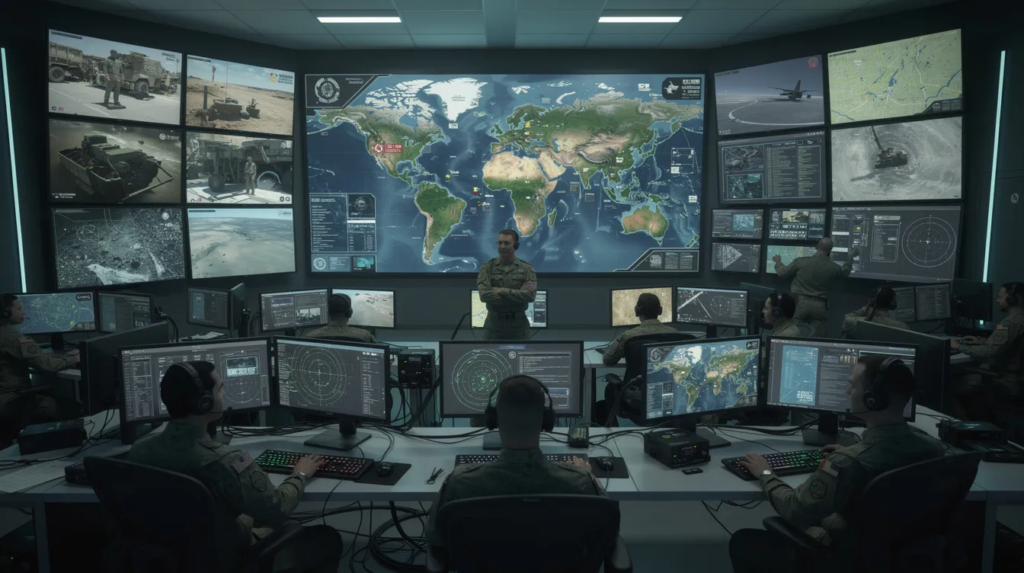
Military bases represent permanent or semi-permanent installations used to house forces, store equipment, and support operations across land, sea, air, cyber, and space domains. These facilities range from small forward operating posts with a few hundred personnel to megabases like Fort Cavazos in Texas, home to 40,000 soldiers and their families across 214,000 acres. Military bases act as a cornerstone of the post-WWII security architecture.
Major global powers maintain extensive networks of domestic and overseas bases. The United States operates over 800 installations in more than 70 countries, and the U.S. has nearly 4,790 military sites worldwide. Bases often serve critical roles in logistics and maintenance for complex weapons systems and supplies, and radar sites and ground-based interceptors are part of the defense infrastructure. Main Operating Bases (MOB) function like small cities, featuring housing, schools, and hospitals, while Army installations typically require large inland land areas for maneuvers and vehicle storage. Depots are dedicated to the storage, maintenance, and distribution of supplies and equipment. Naval stations and shipyards are located on coasts to provide docking, repair, and refueling for fleet vessels. Military bases provide a “logistical lifeline” for troops during tactical operations.
Today, real time content delivery and digital signage systems like SignageTube Live are becoming crucial for coordinating activity, safety, and information across these complex environments. Digital signage is widely used in transportation hubs, retail stores, restaurants, corporate buildings, hotels, educational institutions, healthcare facilities, and public spaces. Digital signage is used for advertising, including Digital Out-of-Home (DOOH) advertising, which delivers targeted advertisements to audiences in public spaces, such as stores and restaurants.
Introduction to Military Bases
Military bases are the cornerstone of a nation’s defense, serving as secure hubs for operations, training, and logistics. These installations are equipped with advanced technology and robust operating systems to manage complex activities and vast amounts of data. Digital signage has become an essential tool on military bases, enabling the delivery of real-time content and operational updates to both personnel and visitors. By leveraging digital signage, bases can enhance customer engagement, streamline communication, and ensure that critical information is communicated efficiently across all areas. The ability to manage and update content in real time supports informed decision-making and keeps everyone connected, making digital signage a vital component of modern military systems and technology.
Strategic Roles and Functions of Military Bases
Military bases function as multifaceted hubs enabling organizations to project power, deter adversaries, and respond rapidly to crises worldwide.
Key strategic purposes include:
- Training and readiness: Preparing personnel through live-fire exercises, simulations, and qualification programs
- Logistics and supply: Managing equipment, fuel, munitions, and support services for deployed forces
- Command and control: Housing headquarters elements with integrated communications infrastructure
- Intelligence gathering: Processing data from various collection platforms and sensors
- Power projection: Enabling rapid deployment of forces to distant locations
Ramstein Air Base in Germany exemplifies these roles, serving as NATO’s primary airlift hub with 35,000 personnel and runways capable of handling strategic aircraft for global deployment. Naval Station Norfolk in Virginia, the world’s largest naval base since 1917, supports 75 ships and 75,000 personnel across 3,400 acres.
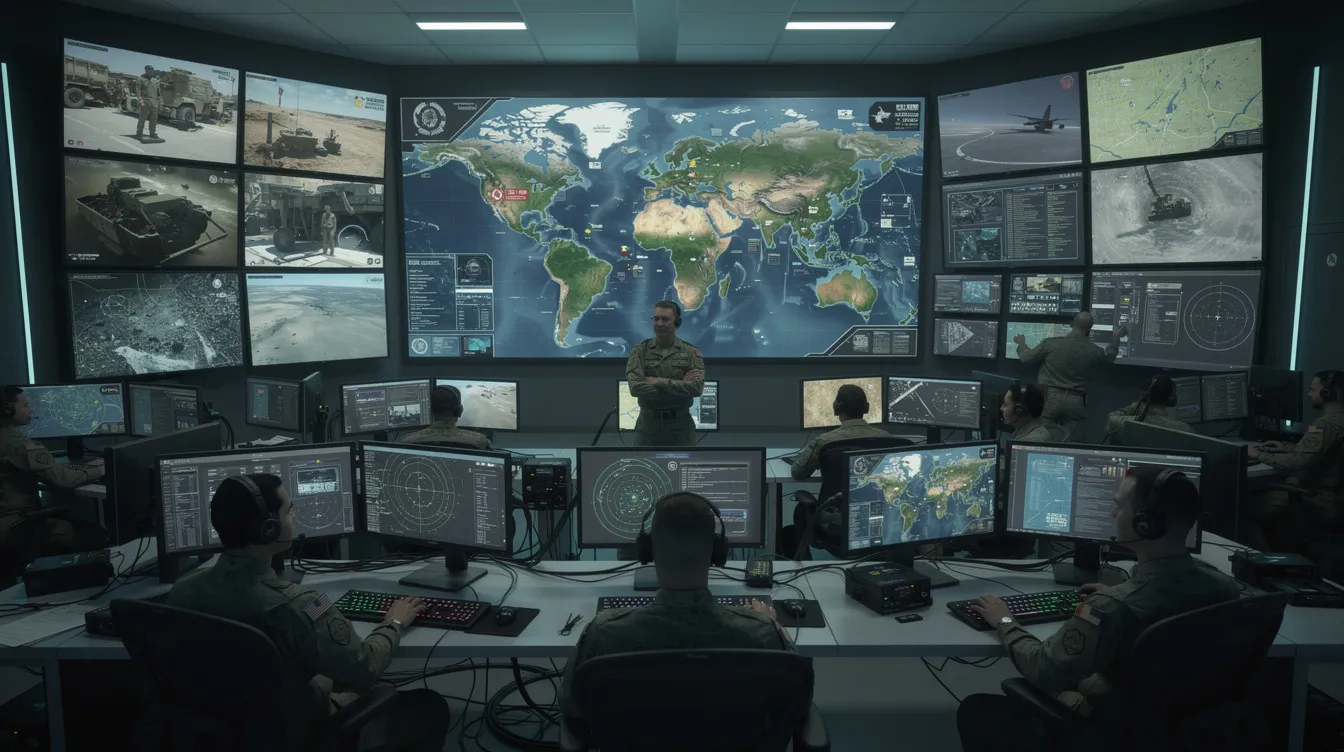
Forward-deployed bases in Okinawa and Rota signal long-term security commitments to allies while enabling rapid response. During the 2011 Tōhoku earthquake, U.S. Pacific installations dispatched relief aircraft and coordinated aid using command center dashboards displaying live data feeds—demonstrating how real-time visual communication supports rapid decision-making.
Types of Military Bases
Different mission requirements demand specialized facilities across every domain.
|
Type |
Example |
Key Features |
|---|---|---|
|
Land/Army |
Fort Moore, Georgia (est. 1918) |
182,000 acres, infantry and airborne training |
|
Air |
Al Udeid Air Base, Qatar |
13,000-foot runways, coalition operations |
|
Naval |
Pearl Harbor-Hickam, Hawaii |
Submarine squadrons, Pacific Fleet support |
|
Joint |
Joint Base Lewis-McChord, Washington |
Army-Air Force merger (2010), multi-domain ops |
|
Forward Operating |
Iraq/Afghanistan FOBs (2001-2021) |
Austere facilities for counterinsurgency |
|
Cyber/Space |
Peterson-Schriever Garrison, Colorado |
U.S. Space Force satellite operations |
|
Each type increasingly relies on secure, centralized networks and on-premises digital displays to coordinate personnel, flights, ship movements, and logistics. These systems deliver operational updates across screens positioned throughout the installation. |
|
|
Layout, Infrastructure, and Daily Operations
A typical military base divides into distinct zones designed for efficient operations and security.
Common layout elements:
- Housing and barracks for thousands of residents
- Headquarters buildings with Sensitive Compartmented Information Facilities (SCIFs)
- Training ranges spanning tens of thousands of acres
- Motor pools, hangars, and maintenance facilities
- Medical complexes and family support areas
- PX commissaries and MWR recreation zones
RAF Brize Norton in the UK demonstrates how bases separate public viewing areas from restricted munitions zones via internal road networks and 24/7 access gates processing thousands of vehicles weekly via RFID and biometrics.
Daily routines follow regimented cycles: morning formations, phased training blocks, and maintenance rotations coordinated via radios and digital signage screens in dining halls, gyms, and transit points. Digital signage systems may incorporate audience analytics to understand viewer engagement and demographics, helping base administrators tailor content for specific audiences. Organizations looking to develop more mature strategies can draw on best practices for dynamic digital signage with PowerPoint and SignageTube. Digital signage can also improve customer engagement and satisfaction by delivering relevant and timely information to audiences across the base. Well-designed base operations centers use large video walls to monitor live feeds, weather, flight status, and security alerts—enabling oversight of thousands of personnel movements.
Government and Public Services on Military Bases
Government and public services on bases constitute self-contained ecosystems mirroring civilian municipalities but under military governance. These include administration, emergency response, medical care, legal services, education, postal operations, and community support for service members and families.
Base commanders wield mayor-like authority, overseeing services such as:
- Provost marshal offices with military police fleets
- Fire departments handling hundreds of incidents annually
- On-base hospitals or clinics treating thousands of patients
- K-12 schools with high graduation rates
- Housing offices managing thousands of units
- ID/pass offices and transportation desks
Communication challenges arise constantly: rapid policy changes, health advisories, gate closures, training area restrictions, and schedule adjustments must reach thousands of viewers instantly. Traditional methods—printing posters, manual briefings, loudspeakers, and email chains—prove slow, inconsistent, and labor-intensive.
Note: Digital signage can reduce long-term costs by eliminating the need for recurring print production.
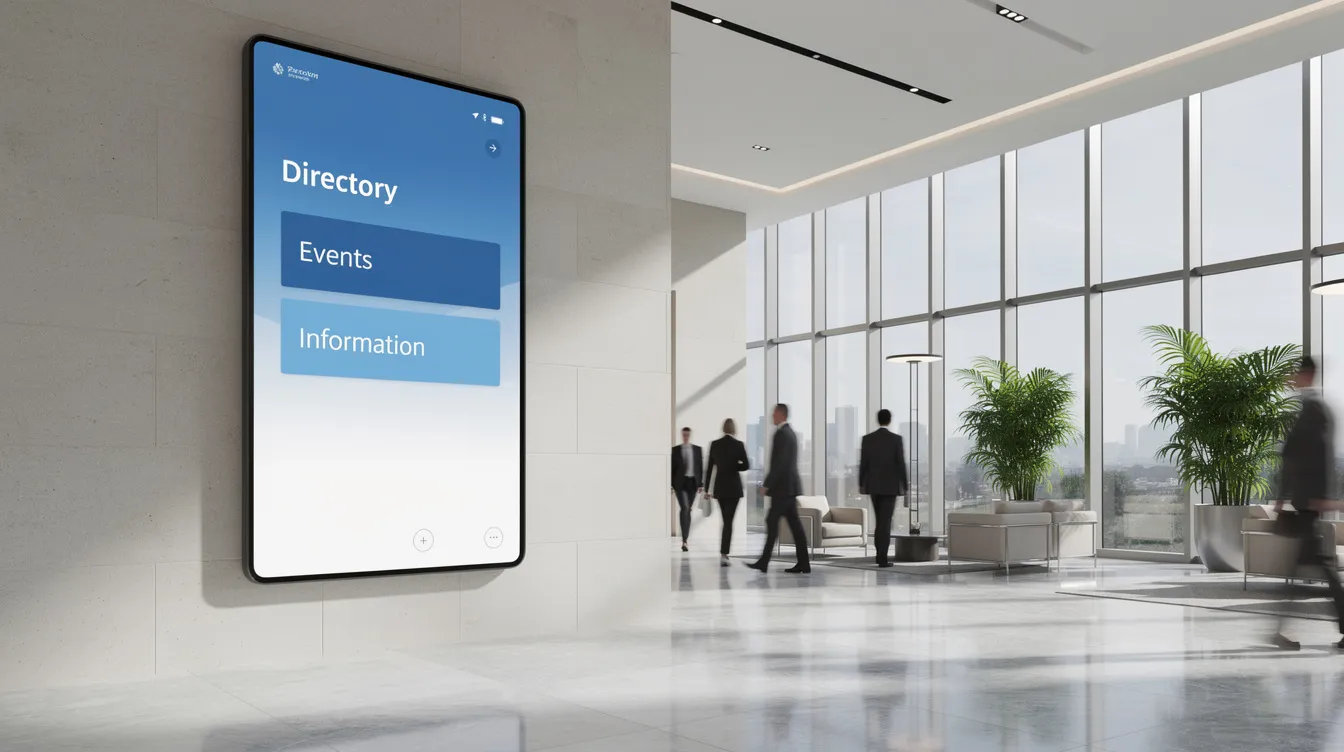
Real-time on-prem digital signage solves this by deploying centralized screens in visitor centers, lobbies, waiting rooms, dining facilities, and bus stops for instant updates. A notional large training base replacing paper notices with 50+ networked screens can cut update time from hours to minutes while maintaining compliance with security protocols.
Real-Time On-Prem Digital Signage: Definitions and Key Concepts
Understanding the technology helps organizations deploy it effectively:
- Real-time digital signage: Screens where content (alerts, schedules, messages) updates within seconds from a central control point
- On-premises deployment: Running signage servers and storage inside the base’s own network rather than public cloud platforms
- Centralized management: Content synchronized across all locations, responding to live events like gate closures or medical alerts. Digital signage systems can be managed through centralized content management systems (CMS), often cloud-based, enabling remote updates and dynamic content delivery. Cloud-based digital signage platforms provide scalability and flexibility for managing content across different devices, and organizations can manage their digital signage networks effectively by using cloud-based platforms for content management. Digital signage allows for dynamic and real-time content updates, often controlled remotely through content management systems. Guidance on PowerPoint digital signage and running slides on screens can help standardize content workflows across complex installations. Digital signage software supports various operating systems, allowing customers to choose the hardware and software solution that best suits their needs. Platforms like SignageTube Live real-time digital signage extend these capabilities with live data integration and centralized scheduling. Digital signage software often includes features for live monitoring and proof of play logging to ensure content is displayed as intended. Centralized management of digital signage networks includes features like user control, live server status, and network health reports. Interactive digital signage allows users to interact directly with displays using input methods like touch, gestures, voice, or proximity sensors.
- Security alignment: Full control over internal communications infrastructure and data, meeting stricter government policies
This approach differs fundamentally from simple USB slideshows that loop static content without the ability to respond to changing conditions.
Workload, Setup Time, and Practical Tips for Base Communications
Implementing digital signage on a military installation requires planning but delivers significant benefits.
Realistic setup timeline:
- Small sites (10 screens): 1-2 weeks for planning and installation
- Large bases (500+ screens): Several weeks to months, depending on cabling and approvals
Digital signage systems can be either networked or standalone, with networked systems managed through centralized content management systems (CMS). Remote management of digital signage enables organizations to control content across multiple locations efficiently.
Main work items include:
- Surveying high-traffic locations for screen placement
- Ensuring power and network connections at each site
- Selecting media players or compatible devices with proof of play logging to ensure content is displayed as intended
- Setting up user accounts to access digital signage features, emphasizing account registration and login for full functionality
- Setting up the signage server on-prem
- Converting existing briefing slides and safety posters into digital playlists
Best practices for base communications:
- Standardize templates with clear fonts and large text
- Keep emergency messages prominent with distinct visual techniques
- Schedule routine content like training deadlines and town hall reminders
- Assign content owners in departments (operations, medical, security)
- Conduct quarterly reviews of content relevance and screen locations
With solutions integrated with PowerPoint, non-technical staff can manage content in minutes, reducing reliance on specialized IT resources, especially when following complete guides to using PowerPoint for digital signage.
Why SignageTube Live and PowerPoint Are a Strong Combination for Bases
Many government and base offices already use PowerPoint daily for briefings, safety trainings, and command updates. This makes it the natural starting point for digital signage content creation, and step-by-step guidance on using PowerPoint for digital signage can accelerate adoption.
SignageTube Live takes existing PowerPoint files and publishes them directly to on-prem screens, preserving animations, timings, and layouts; when combined with PowerPoint animation techniques for dynamic digital signage, bases can produce highly engaging content. This delivers valuable advantages for government and public services:
- Faster deployment: No need to learn complex design tools
- Consistent branding: Uniform appearance across all offices and buildings
- Easy localization: Simple translation of slides for international personnel
- Real-time updates: Base commanders push critical changes instantly—from ceremony times to health advisories—without IT tickets
Digital signage can be used for advertising, information dissemination, branding, or entertainment purposes, supporting a wide range of business and operational needs, and frameworks for maximizing impact with PowerPoint-based digital signage translate well to mission-focused government environments. Modern digital signage systems may incorporate audience analytics, IoT sensors, or AI-driven personalization to enhance user experience and engagement. Reporting features in digital signage software provide data analytics and proof of play, enabling better decision-making and supporting business operations and strategy.
SignageTube’s focus on secure, manageable visual communication networks makes it suitable for organizations needing a balance of control, usability, and responsiveness. Consider mapping your current noticeboards and waiting areas, then explore replacing static posters with dynamic PowerPoint-driven screens.
Personnel Services on Military Bases
Personnel services on military bases are designed to create a supportive and engaging environment for service members and their families. These services range from facilities management and transportation to logistics and recreational activities. Digital signage plays a key role in content creation and the dissemination of relevant information, ensuring that personnel have access to dynamic updates about events, schedules, and services. By delivering timely and engaging content through digital signage, military bases can boost morale, foster a sense of community, and support the overall well-being of their teams. The integration of technology into personnel services not only enhances engagement but also ensures that essential information is always accessible and up to date.
Facilities Management in Military Environments
Effective facilities management is crucial for maintaining the infrastructure and operational readiness of military bases. This includes overseeing the upkeep of buildings, equipment, and essential services, as well as managing digital signage systems that provide real-time updates and information to customers and personnel. Regular maintenance and compliance with regulations are key factors in ensuring that these systems remain efficient and reliable. Facilities management teams must balance the needs of various stakeholders, supporting both operational requirements and the well-being of personnel. By prioritizing efficient maintenance and leveraging digital signage, military bases can deliver high-quality services, support mission success, and maintain a resilient infrastructure.
Transportation and Logistics on Military Bases
Transportation and logistics are the lifelines of military base operations, ensuring the smooth movement of personnel, equipment, and supplies. The integration of digital signage and real-time content creation enhances these processes by providing valuable insights, live updates, and clear communication to all stakeholders. Advanced technology, such as GPS tracking and data analytics, allows bases to optimize their logistics systems, improve scheduling, and allocate resources more effectively. Additionally, digital signage can be integrated with other systems to streamline operations, reduce delays, and increase overall efficiency. By delivering real-time content and actionable insights, military bases can support mission-critical logistics and ensure that operations run smoothly.
Market Trends Shaping Military Base Operations
The landscape of military base operations is rapidly evolving, driven by market trends such as the growing demand for digital signage and real-time content creation. Organizations and companies are increasingly adopting these technologies to enhance customer engagement, improve operational efficiency, and address emerging challenges. The benefits of digital signage—such as the ability to deliver dynamic content, respond to real-time events, and support efficient communication—are widely recognized across the defense sector. Military bases are also exploring innovations like artificial intelligence and the Internet of Things (IoT) to further strengthen their capabilities. By staying ahead of market trends and embracing new solutions, military bases can maintain their competitive edge, deliver superior services, and ensure the success of their missions.
Economic, Social, and Environmental Impact of Military Bases
Military bases significantly affect surrounding communities and regions.
Economic impact:
- Naval Base San Diego injects $12 billion annually into the regional economy
- Bases support thousands of civilian jobs and indirect employment through contracts
- Economic developments and updates are often communicated to stakeholders in the region to ensure transparency and local engagement.
- The base’s website provides updates, news, and contact information for the community.
Social aspects:
- Schools, family housing, and community centers create “towns within towns”
- Fort Liberty (renamed 2023) houses 110,000 residents with comprehensive services
Environmental considerations:
- Training ranges consume vast land areas
- Aircraft noise affects surrounding communities (e.g., Kadena Air Base in Okinawa)
- Legacy pollution remediation continues at former BRAC-closed sites
- Digital signage and base operations contribute to environmental issues such as light pollution and electronic waste, while also helping reduce reliance on traditional print signage.
- Specific teams or systems are responsible for monitoring and managing the environmental impact of base activities.
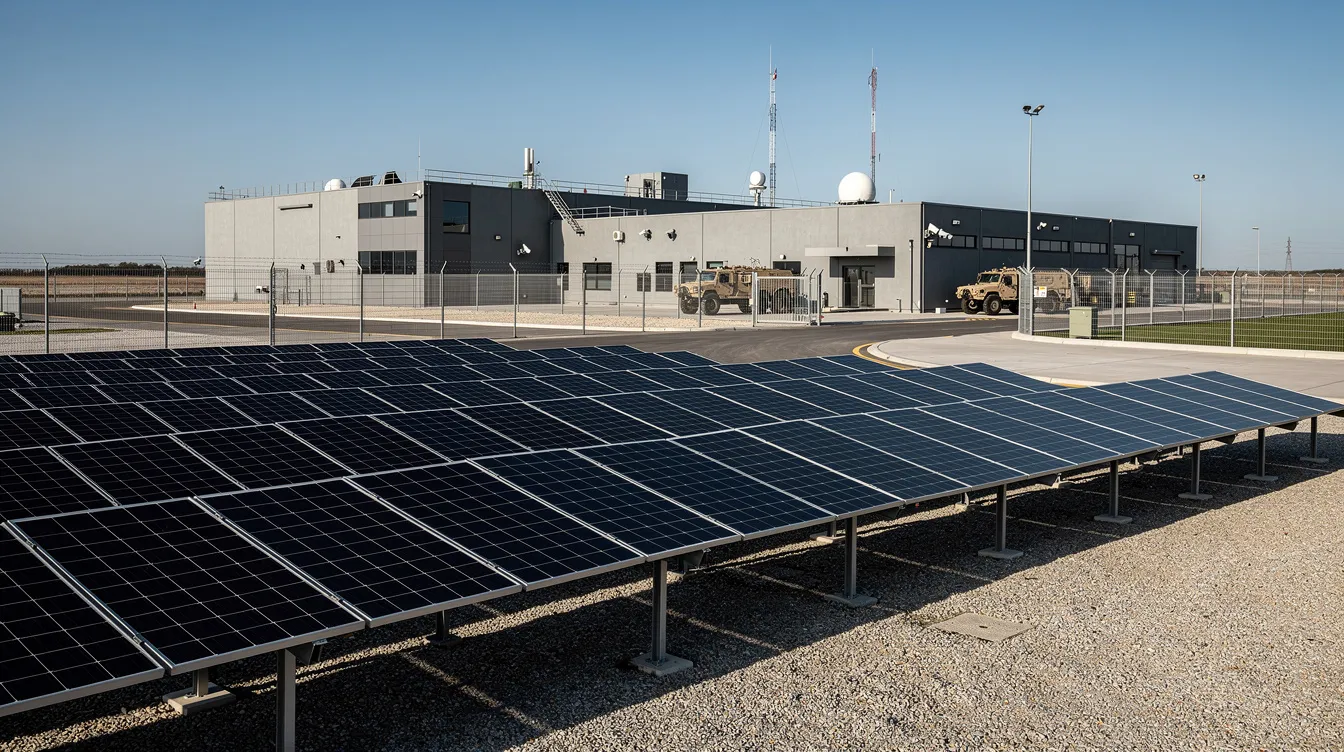
Modern bases invest in habitat conservation and renewable energy projects. Digital systems including energy dashboards and information screens now communicate sustainability goals and performance to personnel, contributing to engagement around environmental initiatives. Environmental monitoring efforts also collect feedback from the community and use detection technologies to monitor environmental factors and ensure ongoing improvement.
Security, Technology, and the Future of Military Bases
Rising emphasis on cybersecurity drives integration of surveillance, access control, and secure networks for command systems. Bases are becoming networked “smart installations” using sensors and digital dashboards to manage traffic, energy, and logistics in real time.
Key market trends include:
- Unmanned systems hangars and hardened data centers
- Resilient communications operating under cyber or kinetic attack
- AI-powered sensors monitoring thousands of network nodes daily
- Visual communications replacing static boards with dynamic, data-driven screens
Some digital signage systems rely on local media storage or manual updates, while others are networked for centralized management and remote content scheduling. Digital signage can be deployed across various devices, including smart TVs, tablets, and media players, without the need to reformat for different platforms. Dedicated pages on the base’s website provide operational updates and contact information to keep personnel informed and engaged.
For government and public services on bases, future communication will combine secure on-prem solutions like SignageTube Live with familiar tools such as PowerPoint to ensure reliability under constrained or disconnected conditions.
As military bases adapt to new threats and technologies, effective, secure, and real-time information sharing will remain as essential as runways, docks, and training ranges. Contact the SignageTube team to learn how your installation can connect with modern visual communications—register for a demonstration and inform your base leadership about solutions that deliver results without compromising security.
- SignageTube Cloud – cloud-managed signage on any TV
- SignageTube Live – real-time data on your screens
- Digital signage software – how to choose, and what matters
- Templates – 120+ ready-made designs
- Pricing – simple per-screen plans