 SignageTube
Design content in PowerPoint, build playlists, schedule what plays where, and manage screens across every site. Add live data so your displays stay current on their own.
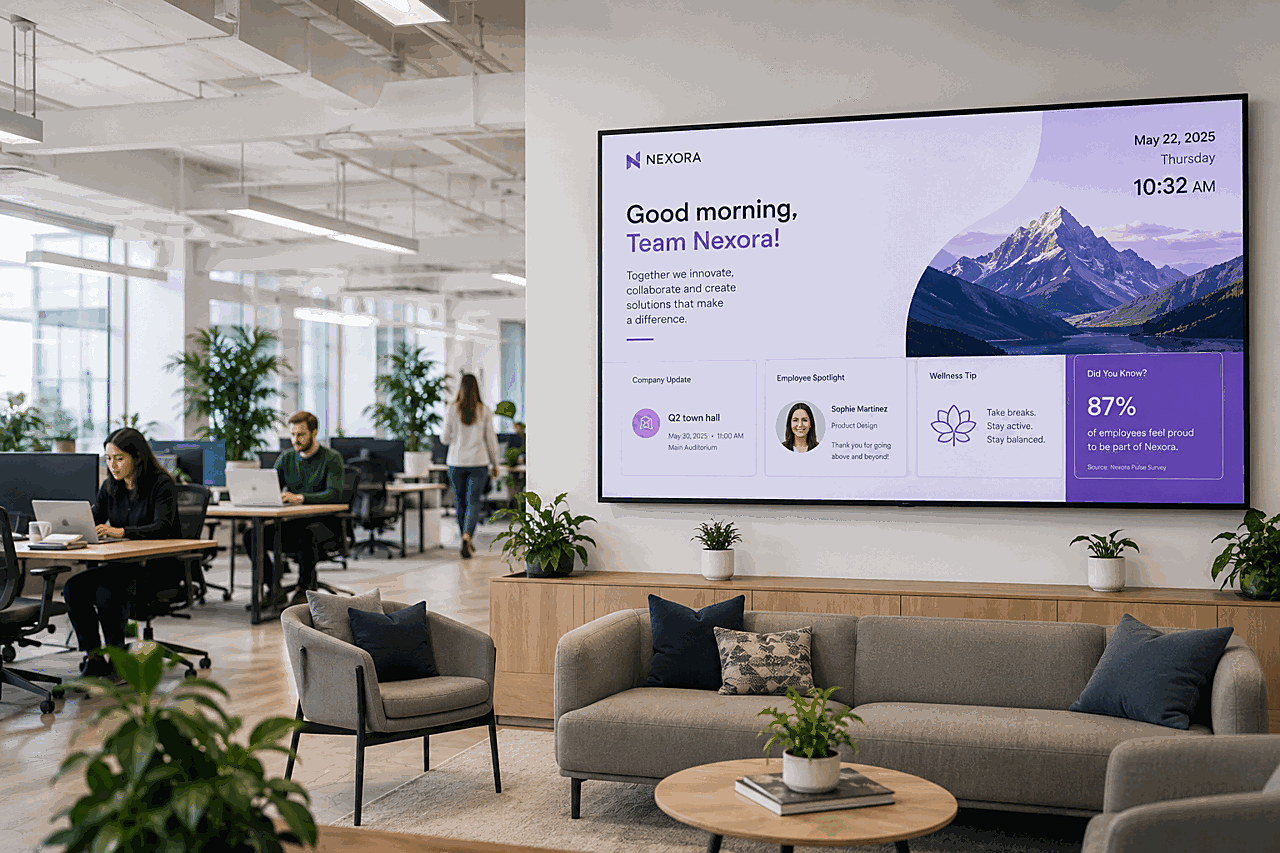
One clean dashboard for content, scheduling and every player in your digital signage software.
Every player at a glance, with status and one click deploy.
PowerPoints, videos and images in one library.
Sequence content and assign it to any screens.
The right message by day, hour, store or timezone.
One press pushes content live everywhere.
Most digital signage software asks you to learn a new editor. With SignageTube you upload what you already have, images, video, web pages or PowerPoint, or fill in a ready made Live Page, so you are productive from the first day with no training.
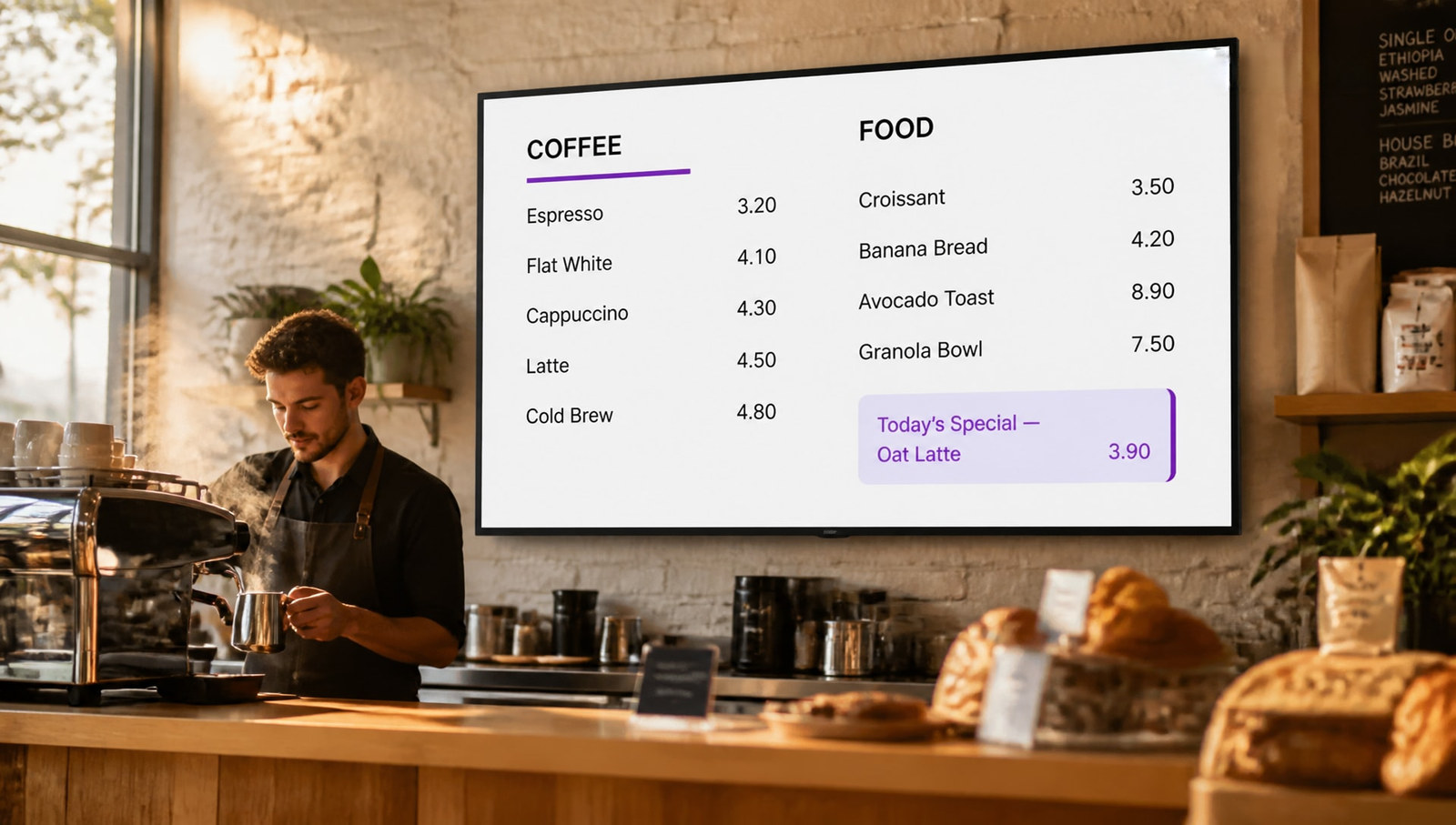
Connect your digital signage software to Excel, databases and 20+ live feeds. Prices, KPIs and schedules refresh on their own, so your screens never show yesterday's numbers.
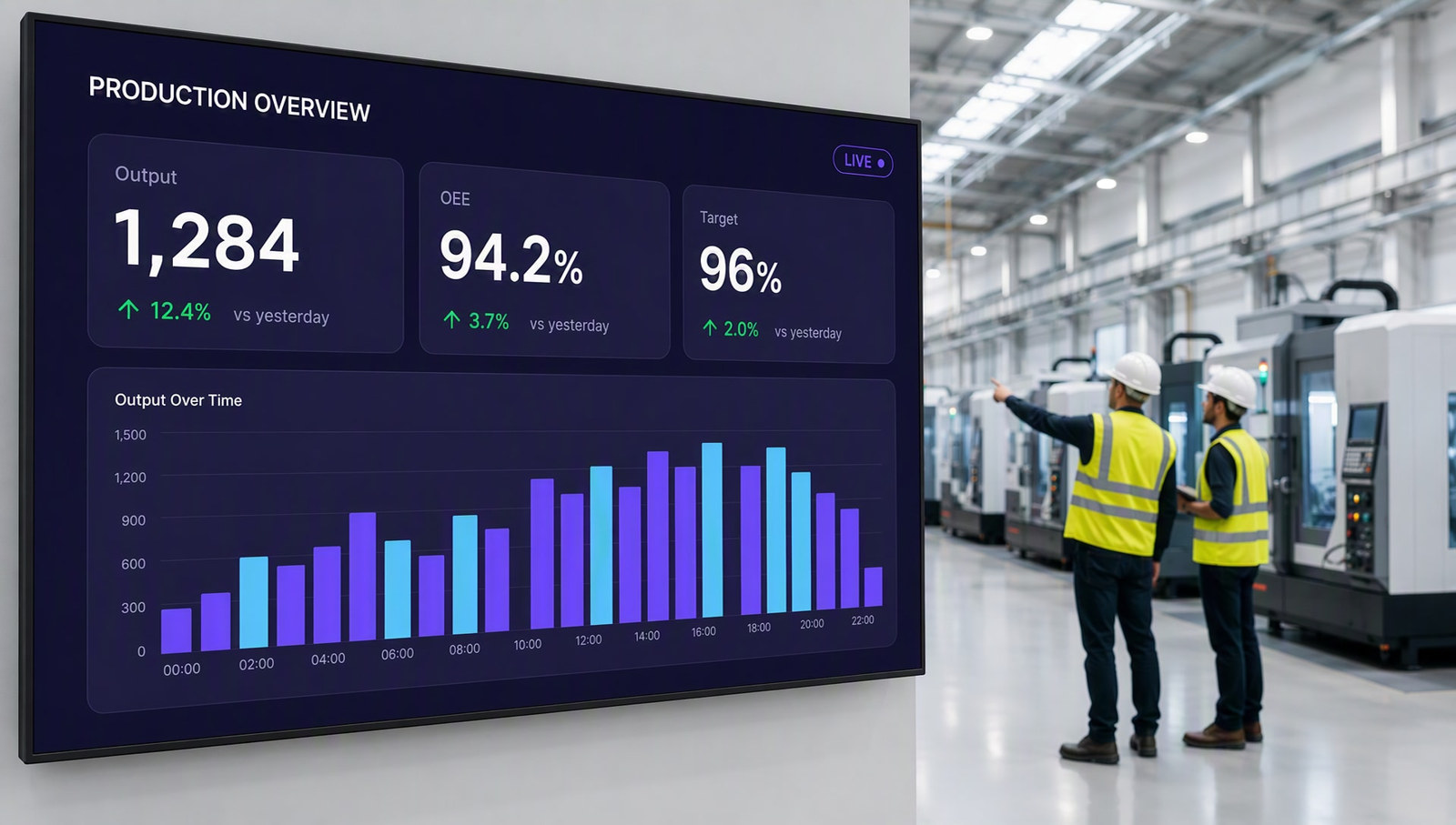
The same digital signage software works wherever your screens are.
Screen rollouts rarely fail at installation. They fail about a week later, when someone realises the team needs fresh content every week across every location, and nobody has time to make it. Marketing wants an update by noon, operations wants different messaging per site, IT wants control, and no one wants to learn a new design tool to get there.
Most organisations do not employ a digital signage designer. They have marketing managers, office administrators, HR teams, store managers and operations leads — people who already know PowerPoint. When content creation stays in a familiar tool, adoption is faster, training is lighter, and the gap between an idea and what is on the screen closes.
Using PowerPoint by itself is not digital signage. PowerPoint is excellent at making slides, but it was never built to manage a network of screens, schedule playlists by time and location, or update content remotely across many devices. Emailing files to sites, or asking local staff to walk a USB stick to the TV, breaks down as soon as there is more than one screen.
Digital signage software closes that gap. It keeps PowerPoint as the place content is made, and adds the parts needed to run screens as a real communication channel: remote publishing, scheduling, central control, template-based consistency and reliable playback.
For anyone signing off the purchase, the value is not just convenience — it is governance. A screen network is far easier to standardise when content starts from approved templates and goes out through one controlled platform, rather than a patchwork of local workarounds.
If every department builds slides from scratch, brand consistency slips within a month. A good template library shortens review cycles, lets non-designers produce something polished, and keeps logos, colours and layouts aligned across locations. At dozens or hundreds of screens, that is often the difference between a signage programme that stays current and one that quietly goes stale.
Dozens of tools call themselves digital signage software and they are not all alike. Good software handles four jobs well: creating content, scheduling it, managing every screen from one place, and playing it back reliably. Here is what actually separates them.
Cloud software stores your content online and pushes it to screens over the internet. It is faster to set up, needs no server, and lets you manage screens in any location from one dashboard, which suits most businesses. On-premises software keeps everything on your own network, the right choice when data cannot leave the building or screens must run with no internet at all. SignageTube offers both.
Most digital signage software is good at images, video and static slides, but very little of it can put a live number on a wall. If your prices, stock levels, production figures or KPIs live in Excel, Microsoft 365 or a database like SQL Server, MySQL, Postgres or Oracle, the right software binds the screen straight to that source, so the number on the wall changes when the number in your system changes.
Some platforms make you learn their own editor. SignageTube lets you use the content you already have, so your team is productive from day one with no training, no new licenses, and no bottleneck waiting on the one person who knows the tool.
If the answer to all five is yes, you have the right tool. See the plans or start a free trial.
A communications or marketing team builds slides in PowerPoint from a branded template — promotions, announcements, wayfinding, event reminders, internal updates. Once approved, the file is published to the platform and assigned to one screen, a group, or the whole network.
Then comes the schedule. Some messages run all day. Others appear only during opening hours, at lunch, during check-in, or around a seasonal campaign. When next week’s content changes, the schedule is updated once, centrally, instead of at every location.
In organisations with several departments, this is what removes the bottleneck: teams create their own slides while central administrators keep control of templates, approvals and distribution. That balance matters in both directions. Too much freedom produces inconsistency; too much central control makes every small update slow.
Non-technical staff need predictable workflows, familiar content tools, reusable templates and scheduling that does not feel like programming. If they can handle daily updates unaided, the programme stays current.
IT needs something else entirely: device management, user permissions, deployment control, and confidence the platform fits existing infrastructure. Software that looks polished at the front end but creates governance problems behind it will stall on internal resistance, however good the demo was.
A restaurant group with a handful of sites saves hours every week by updating menus and promotions from one dashboard instead of relying on staff at each location. The same is true for clinics, banks and small office networks. Once screens are part of daily operations, remote management is a practical requirement, not a luxury.
Any platform looks capable in a scripted demo, so test it against what your team will really do.
The right answer is rarely the platform with the most features. It is the one that removes work across the whole process, from making a slide to it appearing on the wall.
Start free and manage every screen from one cloud dashboard, built on PowerPoint.
Pick the edition you want to try for 15 days. No credit card needed, just your name and email.
Images, video, web pages, PowerPoint and Live Pages on any screen. The easiest place to start.
Start Starter trial →Native PowerPoint on Windows, slides in step across screens, Proof of Play and the Control Room.
Start Professional trial →Full real time data from all your sources, health monitoring, RS232 control and more.
Start Enterprise trial →Not sure? Start with Starter, you can move up anytime.
Both include a 15 day free trial. No credit card needed, just your name and email.