 SignageTube
Signage Meaning: Definition, Uses, and Why It Matters
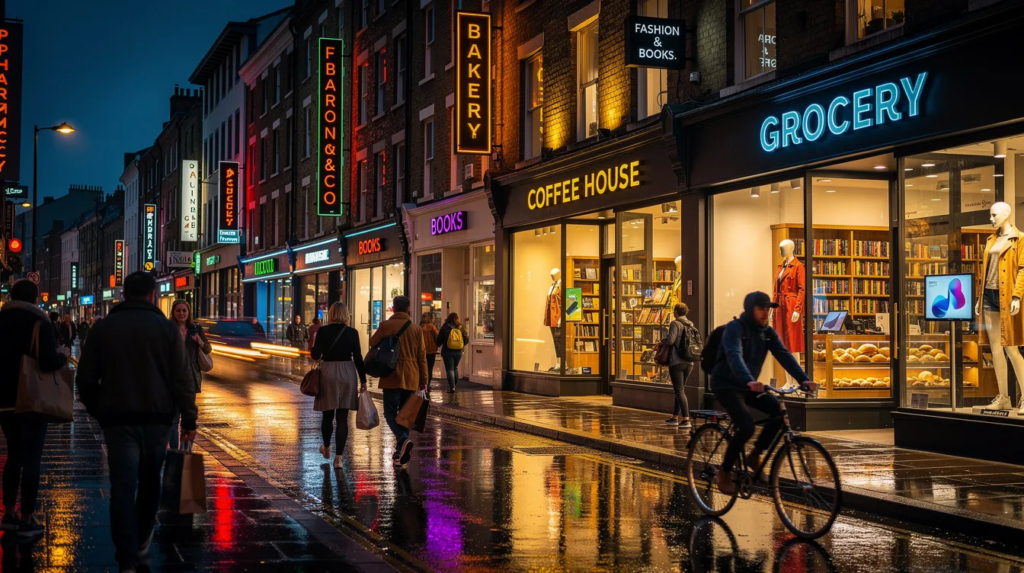
What does signage actually mean, and why does it matter for your business or organisation? This guide is designed for business owners, facility managers, marketers, and anyone interested in how signage impacts communication and customer experience. Signage refers to the complete collection of signs and visual displays used to inform, direct, warn, or promote within any space. Whether you’re managing a retail store, hospital, or warehouse, understanding signage meaning helps you communicate messages more effectively and create better experiences for customers and employees alike.
While a sign is a single visual element, signage refers to the collective group or system of signs that work together to inform, promote, or guide an audience.
Signage serves as a visual indication that refers to specific information, locations, or identities, with its core function being to convey a clear message to viewers.
What Does “Signage” Mean?
Signage is the design or use of signs and symbols to communicate a message. It encompasses a broad array of visual displays used to communicate messages to an audience and refers to the collective group of signs that work together to inform, promote, or guide an audience. Signage is a collective noun describing signs collectively—the entire system of visual graphics working together in a space rather than individual pieces. When professionals discuss signage, they’re talking about the coordinated network of visual communication elements that guide, inform, and influence people within an environment.
This definition encompasses everything from traditional printed materials like vinyl banners, posters, and painted shopfront fascias to modern digital signage including LED screens and interactive kiosks. The term captures both the physical infrastructure and its communicative purpose.
Consider a supermarket: the signage system includes aisle markers identifying product categories, directional signs pointing to departments, promotional boards announcing sales, and safety signs indicating wet floors. Words and text-based graphics are essential in signage, as they provide clear written messages, labels, and instructions that guide and inform customers throughout retail environments. On a UK motorway, signage encompasses distance markers, exit number signs, service station indicators, and regulatory road signs—all working together to guide drivers safely. A fast-food chain’s digital displays might show menu boards updating throughout the day, promotional content for limited-time items, and ordering kiosks. In a warehouse, safety signage includes mandatory hard hat signs, warning signs near high-voltage equipment, and emergency escape route markers.
In business and marketing contexts, signage is discussed as a long-term, always-on advertising and wayfinding tool. Unlike temporary campaigns, well-planned signage provides continuous brand visibility and operational support.
Origin and Etymology of “Signage”
Understanding the word’s history clarifies its modern meaning and professional usage. The linguistic roots reveal how our concept of visual communication has evolved over centuries.
The word “sign” originates from the Latin term “signum,” meaning mark, token, symbol, or banner. This entered Middle English via Old French around the 13th century, when commercial signage was becoming increasingly important in growing European cities.
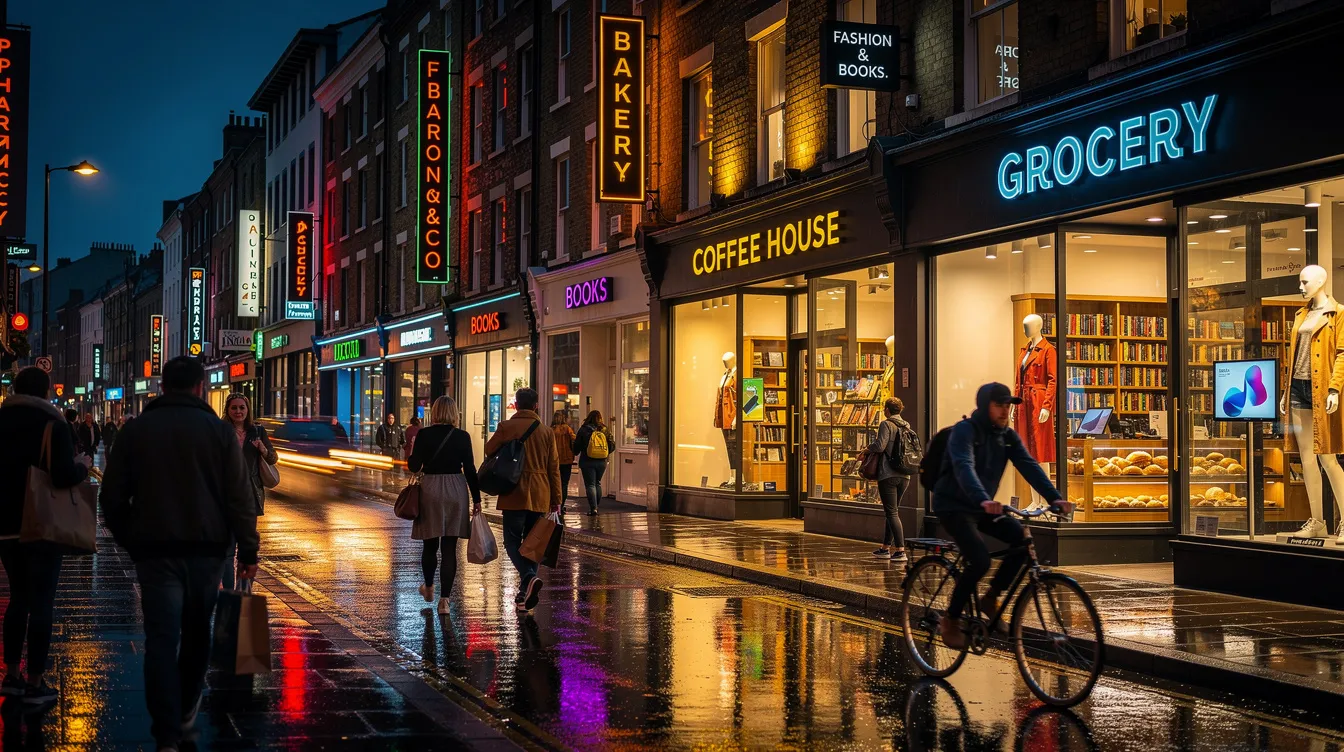
Historical examples bring this evolution to life. In 17th-century London, painted tavern signs hung from ornate brackets above storefronts—serving as wayfinding and identification markers in an era when many people couldn’t read. By the 19th century, Paris’s commercial streets featured elaborate hanging trade signs with gilded metal and hand-painted wooden fascias. Early 1900s New York saw the rise of standardized hardware store fascias and window displays where signage evolved from purely informational to actively persuasive.
The modern English noun “signage”—formed by combining “sign” with the suffix “-age”—became common in the early-to-mid 20th century. By the 1960s–1980s, the term appeared frequently in planning regulations and retail design manuals. As the Collins English Dictionary now defines it, signage means “signs considered collectively, especially street and advertising signs.”
Role and Functions of Signage
Signage serves four core functions in commercial and public environments: identification, information provision, directional guidance, and promotion. These functions often overlap—a single sign may simultaneously identify a business, communicate its purpose, and promote a special offer.
Identification signage tells people where they are and what entity occupies that space. Examples include shopfront signs along Oxford Street displaying business names and logos, hospital department plaques marking “Cardiology” or “Emergency Department,” and office reception logos establishing corporate identity.
Informational signage answers routine questions that would otherwise consume staff time. Opening hours on storefront doors, museum exhibit labels, pricing boards in coffee shops, and restroom signs in shopping centres all fall into this category. This function proves particularly critical in high-traffic environments where employees cannot personally guide every visitor.
Directional signage reduces cognitive load by guiding people through complex spaces. Airport gate arrows, metro maps, and car park level signs help millions navigate unfamiliar environments efficiently. Hospitals using colour-coded routes—red to radiology, blue to surgery—help patients reach destinations without repeated stops for giving directions.
Promotional signage drives impulse purchases and brand awareness. Sale posters in fashion retail windows, seasonal displays in supermarkets, and cinema “coming soon” posters all serve this marketing function. Interior promotional signs like end-cap displays measurably boost product visibility and purchase intent.
Regulatory and safety signage ensures legal compliance and physical protection—mandatory signs requiring protective equipment, prohibition signs marking restricted areas, and emergency escape signs guiding occupants during crises.
Types and Categories of Signage
There are several ways to classify signage: by purpose, location, and technology. Signage encompasses a wide variety of forms, including banners, standard signs, and other types such as digital, directional, safety, and promotional signs. Understanding these categories helps you plan comprehensive visual communication systems. Signage can be broadly categorized into three primary types: informational signage, directional signage, and promotional signage.
Classification by Purpose
- Informational: Shopping mall directories, building identification plaques, facility hours
- Directional (wayfinding): Airport navigation systems, car park markers, subway maps
- Promotional: “Black Friday” window vinyls, restaurant promotional boards, retail end-cap displays
Classification by Location
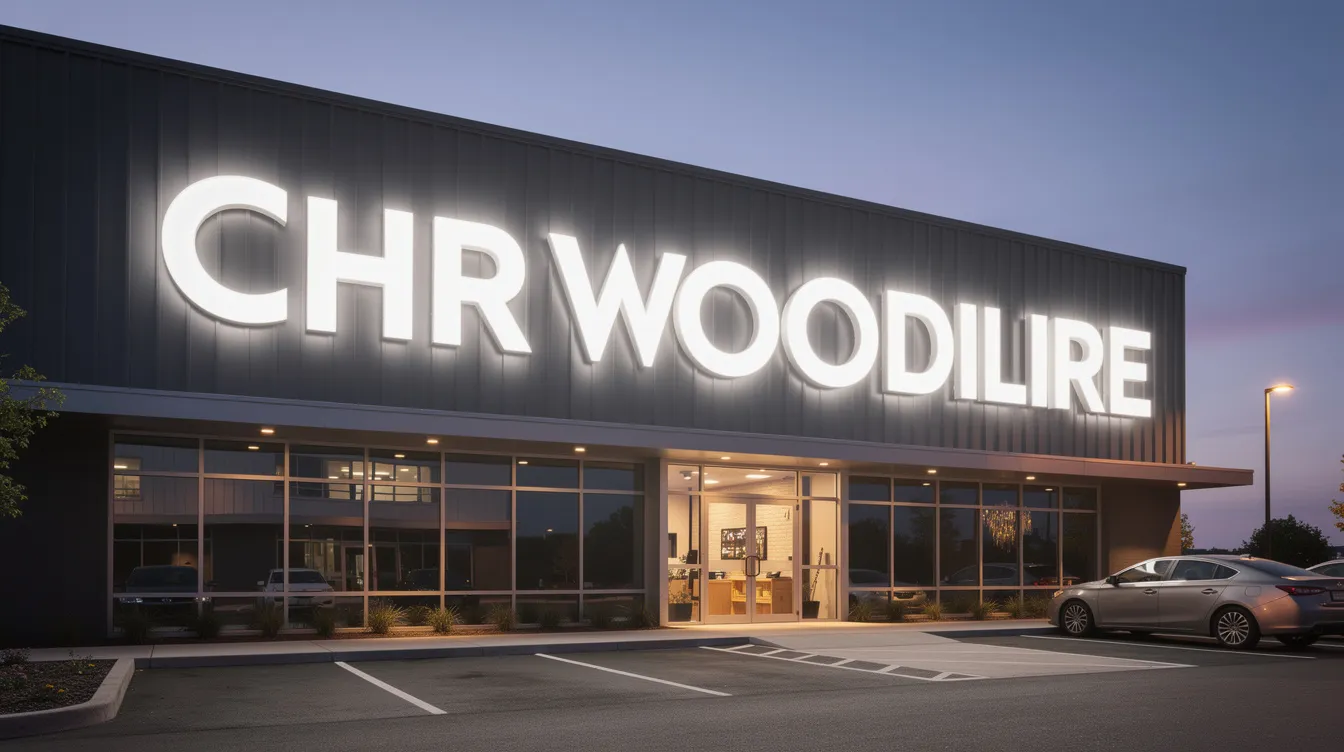
Exterior signage attracts distant attention and withstands weather. Monument signs sit at eye level for drivers and pedestrians. Pylon signs stand 10-20 feet tall, mounted on poles for highway visibility—commonly used at shopping centres and petrol stations. Building-mounted dimensional letters with LED illumination attract attention to storefronts and create professional appearances.
Interior signage prioritises legibility at shorter distances. Aisle markers identify product categories, reception signs establish brand impression, and restroom signs direct customers to facilities.
Classification by Technology
- Static printed signage: Aluminium panels, vinyl banners, posters, engraved plaques
- Illuminated signage: LEDs, neon, light boxes functioning day and night
- Digital signage: LCD/LED screens, interactive kiosks, dynamic display systems
A ten-screen cinema complex demonstrates integrated commercial signage: digital displays for movie trailers and promotional content, wayfinding signage to theatres, illuminated exit signs, and printed posters for coming attractions.
Signage Conventions and Standards
Signage conventions and standards play a crucial role in making sure that signs are universally understood and effective in communicating messages to a broad audience. By following established guidelines for symbols, colors, and shapes, businesses can create signage that is instantly recognizable and easy for customers to interpret—no matter their background or language. For example, directional signage often uses arrows and color coding to guide people efficiently through complex spaces, while promotional signs rely on bold graphics and distinctive fonts to attract customers and boost brand visibility.
Adhering to signage standards not only enhances customer engagement but also ensures consistency across different locations and environments. In the United States, the Americans with Disabilities Act (ADA) sets specific requirements for signage, such as the inclusion of braille, appropriate font sizes, and high color contrast, making signs accessible to everyone. These conventions help businesses create signage that stands out, communicates messages clearly, and supports a positive customer experience. By understanding and applying these standards, companies can maximize the visibility and effectiveness of their signs, ultimately strengthening their brand presence and making their spaces more welcoming and navigable for all.
Signage Materials and Technologies
The world of signage has seen remarkable advancements in both materials and technologies, giving businesses a wide array of options to enhance visibility and customer engagement. Digital signage, for instance, utilizes LED or LCD displays to present dynamic content—ranging from videos and animations to real-time updates, feeds, and dashboards—making it a powerful tool for commercial signage in high-traffic locations. These digital displays can be updated instantly, allowing businesses to keep their messaging fresh and relevant.
Traditional signage materials such as vinyl, wood, metal, and acrylic remain popular due to their durability and versatility. The choice of material often depends on the sign’s intended location, exposure to the elements, and the desired aesthetic. For example, weather-resistant metals and treated woods are ideal for outdoor commercial signage, ensuring long-lasting visibility, while sleek acrylic or vinyl is often used for indoor signs where a modern look is preferred.
Emerging technologies have also introduced interactive advertising screens, such as touchscreens and QR code-enabled signs, which invite customers to engage directly with the content and access additional information or services. By leveraging the latest materials and technologies, businesses can create signage that not only captures attention but also delivers a memorable and interactive experience for customers, regardless of the commercial setting.
Signage in Workplaces and Public Environments
Signage meaning shifts slightly across different environments. What works in retail differs from what’s required in manufacturing or healthcare settings.
Workplace and industrial signage carries particular weight due to safety imperatives. Safety posters around machinery communicate hazard awareness. Lockout-tagout procedure signage near electrical panels prevents accidents. OSHA and HSE-compliant hazard signs use standardised colours—red for prohibition, yellow for warning, blue for mandatory action, green for emergency information—ensuring safety instructions are universally understood across industries.
Retail and hospitality signage simultaneously informs, directs, and promotes. Window displays announce promotions, capturing pedestrian attention. Menu boards in quick-service restaurants showcase offerings and highlight high-margin items. Table-talkers in cafés promote special beverages within arm’s reach of customers.
Transport and city signage requires standardised, universally comprehensible systems. Road signs communicate mandatory regulations to drivers. Bus stop flags enable passengers to identify services. The “Legible London” system launched in 2007 uses consistent styling and colour-coding to help pedestrians navigate city streets, locate services, and find public transit.
Healthcare and campus signage manages complex navigation. Colour-coded routes guide patients to specific departments. University building IDs and lecture hall numbers simplify navigation for thousands of students.
Signage Maintenance and Repair
Maintaining and repairing signage is essential for businesses that want to preserve brand visibility and continue to attract customers. Over time, signs can become faded, damaged, or outdated, which can negatively impact the way a business is perceived and even pose safety risks. Regular cleaning and inspection help identify issues early, such as peeling vinyl, dim lighting, or cracked panels, allowing for prompt repairs or replacements.
A well-maintained sign communicates professionalism and reliability, reinforcing the messages businesses want to convey to their customers. Timely maintenance not only extends the lifespan of signage but also ensures that safety instructions and important information remain clear and visible. This proactive approach helps businesses avoid costly replacements and keeps their spaces inviting and compliant with safety standards. By prioritizing signage maintenance and repair, companies can ensure their signs continue to serve as effective tools for communication, brand visibility, and customer engagement.
Signage, Exposure, and Marketing Value
Well-placed signage provides constant brand exposure—functioning as “always-on” outdoor advertising that supports both brand marketing and operational efficiency.
Exterior signage like a pylon sign by a busy A-road or building-mounted letters on a high-footfall high street delivers 24/7 impressions without recurring media fees. Unlike paid advertisements requiring ongoing investment, permanent signage represents a one-time capital investment generating millions of annual impressions. Billboards alongside highways extend this principle to dedicated advertising formats.
Interior promotional signage directly influences purchasing behaviour. End-cap displays in supermarkets create purchase urgency. Shelf talkers highlight product benefits. Hanging “Sale” boards draw shoppers to specific departments, boosting customer engagement and sales.
Consider practical scenarios: a new restaurant increasing walk-in trade with a clear projecting sign visible from the street, or a gym using window decals to promote limited-time membership offers. These examples show signage serving dual purposes—supporting branding while helping people understand available services.
Digital displays enable dynamic, real-time content updates, keeping messages relevant. Fast-food chains use real-time digital signage to update digital menu boards for different dayparts. Cinemas use advertising screens within the digital signage ecosystem to display showtimes and coming-soon trailers. This agility provides marketing advantages that static signage cannot match.

Common Challenges in Signage
While signage is a valuable tool for businesses, it comes with its own set of challenges. One of the most common issues is ensuring that signs are visible and compelling, especially in busy city streets or crowded retail environments where competition for attention is fierce. Striking the right balance between clear, concise messaging and visually appealing design can also be difficult, as overly complex signs may confuse rather than inform.
Compliance with local regulations and zoning laws presents another challenge, as these rules can dictate the size, placement, and even the type of signage allowed at a particular location. For businesses investing in digital signage, the initial costs for technology and infrastructure can be significant, which may be a barrier for smaller companies. Additionally, keeping signage up to date with changing promotions or regulations requires ongoing attention and resources.
By understanding these challenges, businesses can develop strategies to overcome them—such as conducting regular audits of their signage, investing in high-visibility locations, and staying informed about local regulations. Addressing these issues head-on helps companies create signage that not only meets legal requirements but also drives customer engagement and strengthens brand recognition in any environment.
Common Questions About Signage Meaning
Several related terms often cause confusion. Here’s how they differ and connect.
“Sign” vs “Signage”: A sign is a single, individual visual element—one storefront sign or one directional arrow. Signage is the collective system within a space. Professionally, when discussing comprehensive strategies, people reference “signage” (e.g., “The hospital needs improved signage”). For individual items, use “sign” (e.g., “Replace that sign”).
Signage vs Labels: Labels are product-specific, small-scale markers (price labels, ingredient labels). Signage communicates to a broad audience and covers directions, rules, and branding. A price label speaks to one examining customer; signage announcing “Everything 30% Off” addresses everyone in that area.
Signage, Symbols, and Pictograms: Symbols are graphic representations often integrated within signage. The wheelchair symbol communicates accessibility without text. No-smoking symbols and warning icons leverage visual recognition across language barriers, making them valuable in locations serving international visitors.
Are Billboards Signage?: Yes, billboards are a form of signage—specifically large-format outdoor advertising placed alongside highways or major routes. They share signage’s core function of visual communication at distance but focus primarily on brand marketing rather than wayfinding.
Signposts vs Signage: Signposts are supporting structures—poles and frames holding signage at correct heights. The visual panel itself constitutes the signage.
What Makes Good Signage?
Effective signage combines clarity, visibility, consistency, and relevance. Poor signage confuses rather than guides and creates visual clutter rather than organised communication.
Clarity and readability require plain language, legible typefaces, sufficient font size for viewing distance, and minimal clutter. Motorway signs use large, sans-serif typefaces readable from vehicles at 60+ mph. Supermarket aisle signs need different specifications for standing customers 3-4 metres away.
Colour and contrast serve both functional and regulatory purposes. High contrast between text and background is essential. Colour coding follows standards: red indicates prohibition, green indicates safe conditions, yellow indicates warning, blue indicates mandatory actions. These conventions, established in regulations worldwide, leverage learned associations so people instantly recognise meaning.
Visibility and placement depend on mounting height, angle relative to travel direction, lighting conditions, and absence of obstructions. A sign visible in daylight may become invisible at night without supplementary lighting.
Durability and materials determine whether signage maintains effectiveness. Outdoor signs require weather-resistant materials like powder-coated aluminium and acrylic resisting UV fading. Interior signs in high-traffic areas need scuff-resistant finishes.
Consistency and branding create instant brand recognition. Using identical logos, company colours, and typography across all signage reinforces professionalism and institutional identity.

How to Use the Word “Signage” Correctly
Many people are unsure when to say “sign” versus “signage.” Here’s the practical guidance.
“Signage” is typically uncountable in English. Correct usage: “We need better signage in the lobby,” not “a signage” or “three signages.”
Sample sentences demonstrating correct usage:
- The airport has clear signage directing passengers to gates and services.
- New safety signage was installed in all warehouse locations in 2025.
- The store’s promotional signage attracted significant walk-in traffic.
- Consistent signage across all locations strengthens brand recognition.
Professionals in marketing, architecture, facilities management, and health and safety use “signage” when discussing complete sign programmes rather than individual items. The term is standard in planning documents and building codes in both British and American English.
Future of Signage
The future of signage is being shaped by rapid advancements in technology and a growing emphasis on sustainability and integration. Digital signage is set to become even more prevalent, with innovations like artificial intelligence, augmented reality, and the Internet of Things (IoT) enabling real-time digital signage that delivers personalized, interactive experiences that engage customers in new ways. Imagine digital displays that adapt content in real time based on audience demographics or environmental conditions, creating a truly dynamic form of brand marketing.
Sustainable materials and energy-efficient technologies are also gaining traction, as businesses seek to reduce the environmental impact of their signage while maintaining high visibility and effectiveness. The integration of signage with other marketing channels—such as social media, mobile apps, and online advertising—will allow for more cohesive and immersive brand experiences, reaching customers wherever they are.
As signage continues to evolve, businesses that embrace these trends will be better positioned to communicate their messages, enhance customer engagement, and stay ahead in an increasingly competitive marketplace. By investing in the latest signage solutions, including modern digital signage when key signals show it’s time to upgrade, companies can ensure their brand marketing remains relevant, impactful, and aligned with the expectations of modern audiences.
Conclusion: Why Signage Meaning Matters Today
Signage means far more than isolated signs—it’s a coordinated system of visual communication that conveys information and shapes how people navigate, make decisions, and stay safe. The four foundational functions—identification, information, direction, and promotion—operate together in every environment from shops and workplaces to hospitals and city streets.
As cities grow smarter and more digitally integrated, effective signage increasingly encompasses both physical and digital elements working together. A bus stop combines physical route information with digital real-time arrival data on its displays. Retail stores blend printed promotional signs with dynamic digital displays.
Businesses and public institutions that invest in well-planned, consistent signage—prioritising both user experience and brand identity—gain measurable advantages. They attract customers more effectively, reduce operational burdens, improve safety compliance, and strengthen brand perception through every displayed element.
Whether you’re planning a shopfront refresh, a warehouse safety overhaul, or a complete wayfinding system, start by mapping these four core functions to your specific space and audience needs.
- SignageTube Cloud – cloud-managed signage on any TV
- SignageTube Live – real-time data on your screens
- Digital signage software – how to choose, and what matters
- Templates – 120+ ready-made designs
- Pricing – simple per-screen plans